The right wedding photographer matches the style you love, delivers consistently from the first look to the last dance, and puts you at ease in front of the camera. This guide covers what photographers do, the main styles, when to book and how to choose.
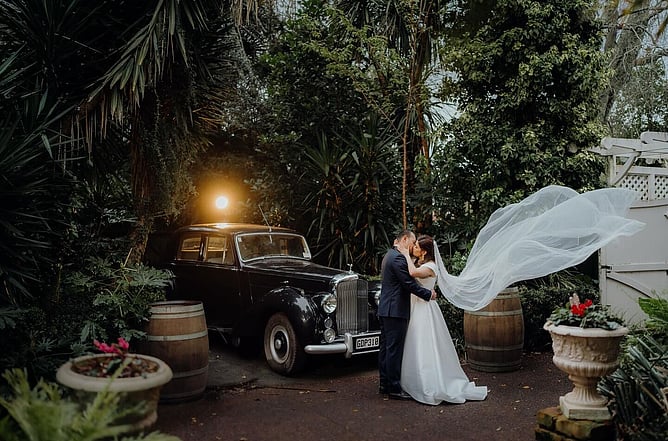
What does a wedding photographer do?
A wedding photographer documents your day from preparation to send-off and delivers an edited gallery you will keep for decades. The job starts well before the wedding and finishes weeks after it.
Before the day: meets you to learn your style, your families and your must-have shots, then builds a photo timeline with you and your venue. Many also scout the locations and check how the light falls at the time of your ceremony.
On the day: photographs getting ready, the ceremony, portraits, family groups, décor details and the reception, including speeches, the first dance and the cake cutting. A good photographer also directs group shots and keeps the schedule moving so you are not standing around.
After the day: selects the best frames from hundreds or thousands of images, edits colour and exposure, and delivers an online gallery. Prints, albums and usage rights depend on the package.
Throughout, they work alongside your planner, celebrant, venue team and videographer, and carry backup cameras and memory cards so a technical failure never costs you a moment.
What makes a good wedding photographer?
A good wedding photographer combines technical skill with calm people skills, because a wedding gives them one chance and no retakes. The qualities below matter more than any single camera or lens.
Technical command. Sharp focus, accurate colour and clean exposure in difficult light, such as a dim ceremony hall, harsh midday sun or a lit reception at night.
Anticipation. They sense the moment before it happens, like a father's glance as the doors open, and are already in position.
Calm under pressure. Running late, rain or a crowded family line-up should not rattle them, and their calm tends to settle the room.
Clear communication. They answer messages promptly, explain how the day will run and give simple direction so you look relaxed rather than posed.
Consistency. Their full galleries are as strong as their highlight reels, from the first frame to the last.
Professionalism. A written contract, backup equipment, insurance and a respectful, unobtrusive manner with guests of all ages and cultures.
When to book your wedding photographer
Book your photographer as soon as your date and venue are confirmed, ideally 9 to 12 months ahead, and 12 to 18 months ahead for peak-season Saturdays. Sought-after photographers take a limited number of weddings each year, and your date is only held once the contract is signed and the deposit is paid.
12–18 months out: Confirm your date and venue, then shortlist photographers whose style you love and check their availability.
9–12 months out: Meet or video call, review full galleries, sign the contract and pay the deposit.
3–4 months out: Share your family list, ceremony and reception plans, and any cultural traditions to capture.
4–8 weeks out: Agree the photo timeline with your photographer, planner and venue. Consider an engagement session.
1–2 weeks out: Reconfirm arrival times, contact numbers and the shot list.
If your date is close, do not give up. Midweek, Sunday and off-peak dates are often easier to secure, and it is worth asking whether a photographer has had a cancellation. Booking your venue first also helps, because your photographer can plan around the real ceremony spaces, the light and the travel time between locations.
What photography style is right for you?
Compare how each style feels, how much posing it involves and who it suits best.
Traditional: classic, bright and polished, mostly posed. Best for formal family portraits and albums.
Authentic and natural: candid, emotional and unposed, with minimal direction. Best for couples who dislike posing and for lively guest lists.
Casual: relaxed, informal and flexible, with light direction. Best for small or laid-back weddings.
Fine art: soft, artistic and refined in editing, with gentle direction. Best for wall art, albums and characterful venues.
Editorial: bold, dramatic and magazine-like, with directed posing. Best for couples who enjoy the camera.
A simple test: save 10 to 15 photos you love from any source. If most share a mood and level of posing, that is your style, and the photographers whose portfolios feel similar are your shortlist.
What should you look for in a wedding photographer?
Look for a consistent style you love, proven experience at weddings like yours, clear package terms and a personality you enjoy. Check each of these before you commit.
Full wedding galleries. Ask to see two or three complete weddings, not just a highlight reel. A full gallery shows how they handle every part of the day, including low light and crowded moments.
Relevant experience. Have they photographed weddings with a similar guest count, season, venue type and traditions? Experience with extended family groups, multiple outfit changes and cultural ceremonies is a real advantage.
Transparent packages. Confirm hours of coverage, whether a second photographer is included, the approximate number of edited images, delivery time, travel costs and any prints or albums.
A written contract. It should cover dates and times, the payment schedule, cancellation and rescheduling terms, usage rights and a backup plan if your photographer is ill or unavailable.
Recent reviews and references. Read Google and wedding-directory reviews, and ask to speak with a recent couple if you can.
Personality fit. You will spend more of your wedding day with your photographer than with almost anyone else, so choose someone you feel relaxed around.
Tips for choosing a wedding photographer
Choose in a set order: settle your priorities, build a shortlist, then meet two or three photographers and compare them on the same questions. These tips keep the process simple.
Set priorities and a budget first. Decide what matters most, such as coverage hours, an album or a second photographer, so you can compare packages fairly.
Ask your venue for recommendations. Photographers who know your venue already know the best spots, the light at different times and how the day flows.
Share your inspiration. Send a handful of images you love so they can tell you honestly whether it matches their work.
Meet before you book. A call or coffee shows how they communicate, and you will quickly sense whether you feel comfortable.
Plan the timeline together. Build in time for portraits during flattering light, and allow for travel if you are photographing at more than one location.
Get everything in writing. Deliverables, delivery date and payment dates should all be in the contract.
Questions to ask every photographer
How would you describe your style, and how much direction do you give?
How many weddings do you photograph each year, and is my date still available?
Have you photographed at our venue or at a similar one?
What happens if you are ill or unavailable on the day?
Do you carry backup cameras and insurance?
How do you handle family group photos and my must-have shots?
How long until we receive the gallery, and how are the images delivered?
What are the usage rights, and can we print the photos ourselves?
Red Flags
Slow or vague replies before booking, which rarely improve afterwards
No contract, or one that is unclear about deliverables and cancellation
Only highlight reels, with no full galleries available
A price far below others with comparable coverage, or pressure to book immediately
A style that changes noticeably from one wedding to the next
Final Thoughts
Choosing the right wedding photographer is about more than selecting someone with a camera. It's about finding a professional who understands your style, communicates well, and can translate the emotion of your wedding day into timeless imagery. Equally important is the setting in which those moments unfold.