Quick Summary
Editorial photography is a magazine-inspired approach to wedding photography that uses deliberate composition, flattering light, considered styling and gentle direction to tell the story of your day. To get the look, choose a venue with varied backdrops, agree a mood with your photographer and protect a short portrait window.
Editorial Photography at a Glance
If you love wedding photographs that look as though they belong in a fashion magazine, editorial photography may be the style you are looking for. Think elegant portraits, beautiful clothing, considered details and images that capture the atmosphere of a wedding as much as the events themselves.
The secret is not to make every detail look expensive or turn your wedding into a photoshoot. It is to choose elements that work together, give your photographer the time and the settings to do their best work, and leave room for the personalities, traditions and moments that make your wedding yours.
What it is. A magazine-inspired style built on deliberate framing, light and styling.
What it is not. Hours of staged poses. Most of the day is still documented naturally.
How long it takes. Some editorial wedding photographers say around 15 to 20 minutes of portrait time is enough.
What it needs. A clear visual direction, a few well-chosen details and a venue with varied backdrops.
What Is Editorial Photography?
If you have ever paged through a bridal magazine and wished your own wedding photos looked that considered, you are describing editorial photography.
Editorial photography brings the visual language of fashion magazines into wedding imagery. It uses considered composition, deliberate styling, interesting light and expressive poses to create photographs that feel polished and distinctive. In a wedding setting, the approach turns the couple, their clothing, the venue and the surrounding details into part of a cohesive visual story.
Each image is considered as a complete composition. The photographer pays attention to the lines, colours, textures and negative space within the frame, as well as the relationship between the subject and the environment.
Editorial photography can be classic, contemporary, romantic or dramatic. It does not require a particular colour palette, an elaborate wedding budget or a luxury designer wardrobe. The defining feature is a deliberate visual approach.
A few features usually define the style:
Considered composition. Architecture, foliage and negative space are used deliberately, so the setting is part of the picture rather than a blur behind it.
Directed but natural moments. The photographer suggests a walk, a turn, a shared joke, then steps back. The result looks candid but is carefully framed.
Strong use of light. Soft window light, dappled garden shade and evening glow are chosen on purpose, not left to chance.
Detail and atmosphere. Rings, stationery, florals, table settings and interiors are photographed as carefully as people.
A cohesive look. Colour and editing stay consistent from the bridal room to the last dance, so the gallery reads like one story.
For couples planning a wedding in Auckland, editorial photography offers a way to give their wedding gallery a recognisable aesthetic. The goal might be a dramatic portrait beneath a grand doorway, a fashion-inspired photograph of a flowing wedding dress, or a carefully composed image of the reception before guests arrive.
Editorial vs Traditional vs Documentary Wedding Photography
What separates editorial photography from ordinary wedding portraits is the intention behind each image. The photographer considers how the subject, setting, light and styling work together. The result can feel sophisticated without losing the personality of the couple or the atmosphere of the day.
Photojournalism and documentary. The goal is to record the day as it unfolds, with little or no direction from the photographer. The result is candid, unposed moments.
Traditional. The goal is to cover the ceremony, family groups and formal portraits, with moderate direction. The result is classic group and couple portraits.
Editorial. The goal is to tell the story through a deliberate visual style, with more direction delivered gently. The result is magazine-style portraits, details and atmosphere.
Most wedding photographers blend these approaches, so you can have formal family photographs, candid moments and a short editorial portrait session in the same gallery.
What Does Editorial Wedding Photography Look Like?
Editorial wedding photography takes several forms. Knowing them helps you decide which to include in your own gallery.
Fashion-Inspired Couple Portraits
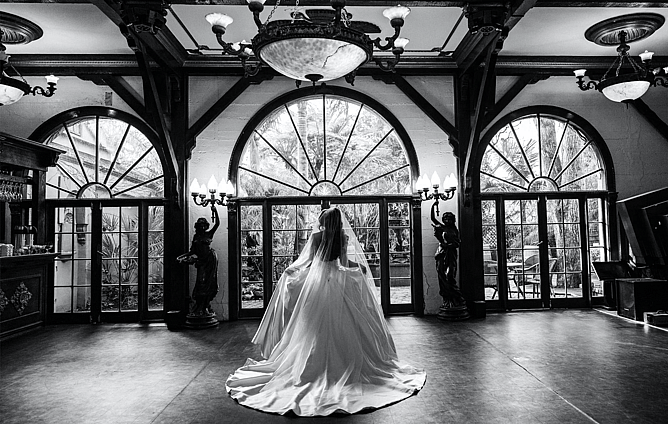
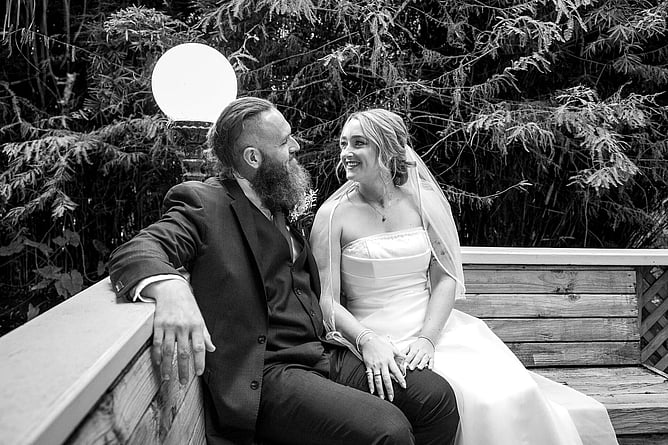
Fashion photography pays attention to silhouette, posture, movement and how clothing interacts with its surroundings, and editorial wedding portraits use similar techniques. A photographer might capture a tailored suit against a textured wall, a gown's train moving across a staircase, or a wide frame that shows the couple in relation to the architecture. The couple does not always look at the camera. A side profile, a walking pose or a quiet interaction can feel more like a magazine spread than a conventional portrait.
Architectural Composition
Buildings and structures can provide strong visual lines, symmetry and framing. An archway, a row of windows, a staircase or a doorway can give a photograph structure before the couple even enters the frame.
This approach works well when the venue has distinctive architectural details. The photographer can use the building to create a sense of scale, draw attention to the subjects or introduce a formal quality to the image.
Artful Detail Photography
Editorial photographers consider how details relate to one another instead of photographing each item separately. An invitation suite might be arranged with a ribbon and a few flowers in complementary colours, a bouquet shot against a simple background to show its shape, or a reception table photographed wide to show how the centrepiece, place settings and space work together.
Atmospheric Reception Images
A room photographed before guests arrive can show the full design of the tablescape. Later, a carefully composed image of the couple beneath the reception lighting can convey a more intimate or dramatic mood. What works best depends on the look you want, the available light and how the space changes through the evening.
Which Editorial Wedding Style Suits You?
Before choosing flowers, accessories or decorative details, think about the kind of photographs you want to look back on. Editorial photography is not one fixed aesthetic.
Classic and Timeless
If you love traditional elegance, consider a restrained colour palette, refined attire and details that will not feel tied to a passing trend. Heritage architecture, elegant interiors and simple floral arrangements suit this style well.
Romantic and Garden-Inspired
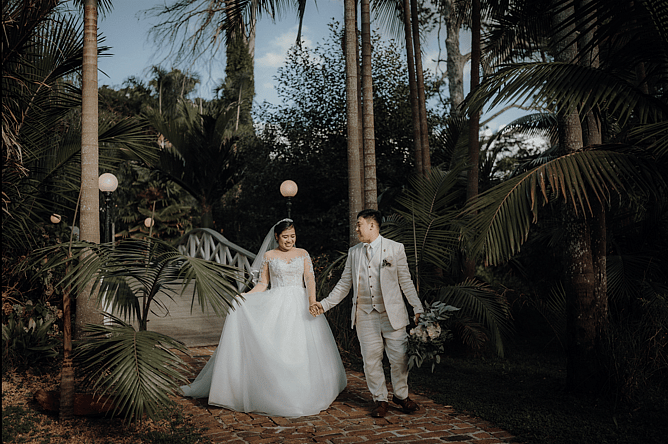
For a softer look, take inspiration from seasonal flowers, flowing fabrics, natural textures and garden settings. Loose floral arrangements, delicate stationery and greenery create a relaxed aesthetic that still feels considered, and it works well for couples who want their photographs to reflect the surroundings.
Modern and Fashion-Led
If you prefer a contemporary look, you might be drawn to sculptural flowers, clean lines, statement attire or an unexpected colour palette. Choose a few details that express your taste rather than trying to make every part of the day a statement.
Cultural and Personal
Editorial photography can also reflect the traditions, clothing and meaningful details that matter to you and your family. Traditional attire, heirloom jewellery, cultural textiles, ceremonial objects and family customs can all become part of the visual story without being adapted to a trend.
How to Turn Your Inspiration Into a Cohesive Wedding Style
You do not need to plan every detail at once. Start with a few priorities and let them guide the other decisions.
Build a focused mood board. Collect images of attire, flowers, stationery, tablescapes and settings, then note what you like about each one. Keep it to one clear direction so it is easy to explain to your suppliers.
Choose a palette that works across the day. Your colours do not need to match exactly, but the overall combination should feel intentional, and it should sit well against your venue.
Let your attire lead some decisions. A highly detailed gown may suit simpler accessories and flowers, while a clean silhouette can carry a statement veil, distinctive jewellery or a sculptural bouquet.
Give a few details room to stand out. A distinctive bouquet, a carefully chosen invitation suite or an elegant reception table can make an impression without styling every surface. Decide what matters most, then put your budget there.
When you share a reference with your photographer, say what appeals to you about it, whether that is the light, the composition or the colour, rather than asking them to copy it exactly. That gives them a clear brief and room for original ideas.
How to Plan Your Wedding Day for Editorial Photography
The style rewards a little planning. These steps give your photographer the time and conditions they need.
Choose a photographer with editorial portfolio. Editorial work is a distinct style, so look for consistent composition, lighting and colour across full galleries, not just a handful of highlights.
Share your mood board and priorities early. Send your photographer your inspiration images and a short list of the photographs you most want to keep.
Protect a dedicated portrait window. Some editorial photographers say 15 to 20 minutes is enough for a core set of portraits. If you want several locations or outfits, allow more and ask what they recommend.
Plan around the light. Ask your photographer how the gardens and interiors will look at the time of year and time of day you are marrying, then build the timeline around the best window.
Choose two or three locations in advance. Pick the settings that suit your style, and decide whether an off-site session is worth including.
Allow time for outfit changes and cultural ceremonies. If your day includes several outfits or rituals, tell your photographer early so each one has time to be photographed properly.
Have a wet-weather plan. Ask which indoor spaces can be used if the weather changes, so your portrait window does not disappear.
Keep guests in mind. Plan portraits so you are away from your guests for as short a time as possible.
Why Your Wedding Venue Matters for Editorial Photography
Your venue is part of the visual story. Its architecture, gardens, interiors and surrounding landscape influence the atmosphere of the photographs and how your styling looks in context.
A heritage building suits classic portraits and formal attire. A garden complements a romantic aesthetic. An elegant reception room gives you a setting for photographs of the atmosphere and details of your celebration. A venue with several indoor and outdoor settings also gives you more choice, and more of your day goes to making photographs rather than travelling between locations.
When you view venues, imagine how your photographs would look in each setting. Ask about wet-weather alternatives, and think about how easily you can move between the ceremony, portrait locations and reception.
Editorial Photo Locations at Settlers Country Manor
Settlers Country Manor sits on seven acres of landscaped grounds in Waimauku, about 25 minutes from the Auckland CBD. Here is what photographers have to work with.
Lakeside and Garden Settings
The lake, arched bridges and palm-lined pathways create natural leading lines and frames. Open, manicured lawns give space for wider, airier portraits, and the century-old pines add height, shade and drama. Tropical planting gives a lush contrast to the heritage buildings.
Heritage Architecture and Interiors
The estate's European-influenced architecture is a classic backdrop for couple portraits. Inside, the Banquet Hall has soaring ceilings and crystal chandeliers, which suit formal, magazine-style portraits and reception coverage. There is also a luxury bridal room, which is a good place for getting-ready details and quiet pre-ceremony frames.
Evening Reception Lighting
The combination of chandeliers, ambient lighting and the dance floor gives photographers a very different mood from the garden shots earlier in the day.
Muriwai Beach, 5 Minutes Away
For a dramatic change of scene, Muriwai Beach is about seven minutes from the venue. Its black sand, rugged cliffs and sweeping Tasman Sea views contrast with the manicured gardens and suit moodier, more cinematic portraits. Some couples include a short off-site session before returning to the estate.
How to Make Your Editorial Wedding Feel Personal
A wedding can have a polished visual style without feeling staged or impersonal. The details that mean something to you are often what make the photographs distinctive.
Include details that tell your story. A family heirloom, stationery built around a meaningful detail, flowers tied to a memory or attire that reflects your heritage can give the wedding its own character.
Balance planned details with genuine moments. You might want a formal portrait in a favourite setting and photographs of the reception before guests arrive, while laughter with friends or a family embrace can be just as meaningful.
Prioritise the photographs you will treasure. Write down the portraits, traditions and views you most want, and share the list with your photographer.
If that sounds like your day, build time for each outfit and ritual into the portrait plan.
Create a Wedding That Looks and Feels Like You
Editorial photography brings your wedding vision together through considered styling, personal details and a setting that complements the celebration. Start with the look you love, choose details that reflect your personalities and traditions, and give your photographer the time and the backdrops to do their best work.