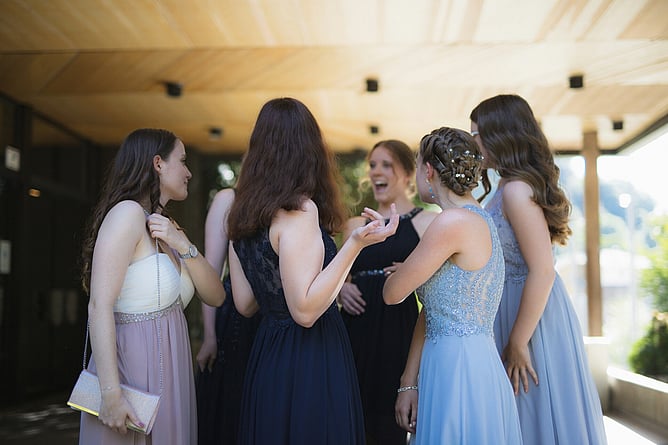
You’ve opened the wedding invitation, said yes, and now comes the big question: what on earth do you wear to the wedding? Between colour etiquette, dress codes and the venue itself, choosing a wedding guest outfit can be stressful.
This guide covers the most common questions, from whether you can wear black, red or white, to how to dress for a beach ceremony in January or a church service in July. Use it as your go-to wedding guest dress code checklist.
Can You Wear Black?
Yes, you can. Black used to be considered too sombre for a celebration, but that rule has well and truly relaxed. A black outfit is now a popular, sophisticated choice, especially for evening weddings and formal events.
To keep black feeling festive rather than funereal:
Choose fabrics with life, such as satin, lace, silk or velvet.
Add colour or sparkle with jewellery, a bright clutch, a patterned tie or a pocket square.
Avoid head-to-toe black with no detail, which can look sombre.
Check the couple’s wishes. If the invitation mentions a colour palette or a particular theme, follow it.
Black is generally fine for most Western weddings. Some cultures associate it with mourning, so if the couple’s family traditions are different from your own, check first.
What About Wearing Red?
Yes, in most cases. Red is bold, flattering and photographs beautifully, and it’s often welcome at weddings. It’s also a colour of luck, joy and celebration in many cultures, including Chinese, Indian and Vietnamese traditions, where brides commonly wear red themselves.
A few things to consider:
In Western weddings, a red dress or suit is fine, but you will stand out. Keep the style elegant rather than attention-seeking.
In cultures where red is the traditional bridal colour, it’s best to ask the couple or a member of the wedding party. Brides in those traditions may want red to be exclusively theirs.
If you love red but want a softer look, try deep burgundy, wine, rust or terracotta.
Can You Wear White to a Wedding?
As a general rule, no. White, ivory and cream are traditionally reserved for the bride, and wearing them as a guest is considered one of the biggest wedding etiquette mistakes.
This includes:
Pure white and off-white
Ivory, cream and champagne shades that look pale in photos
White dresses with small prints or detailing that read as white from a distance
There are exceptions. If the couple has asked for an all-white dress code, or if the bride herself has said she doesn’t mind, white is fine. Without that clear permission, choose another colour. If you’re unsure, ask. A quick message to the couple avoids any awkwardness on the day.
Colours Not to Wear to a Wedding
Beyond white, ivory and cream, there are a few colours and shades worth thinking twice about:
Bridal party colours: If you know the bridesmaids are wearing sage green or dusty blue, avoid matching so you don’t blend into the wedding party in photos.
Very bright neon shades: These can pull attention away from the couple.
Metallic gold or silver head-to-toe: A touch of shimmer is lovely, but a full metallic outfit can overwhelm.
Colours with cultural meaning: White and black can signify mourning in some cultures, while red or yellow may be reserved for the bride or groom. When in doubt, ask.
A good rule of thumb: dress to complement the day, not compete with the couple.
Casual Style for Wedding Guests (Men and Women)
Some weddings are relaxed, particularly daytime backyard, farm or beach celebrations. “Casual” at a wedding still means smart casual, so jeans and jandals are rarely the answer.
For women:
A midi or maxi sundress in a floaty fabric
A jumpsuit or tailored culottes with a nice top
A skirt and blouse combination
Flat sandals, wedges or neat espadrilles
Light layers like a cardigan or pashmina for cooler evenings
For men:
Chinos or tailored trousers with a collared shirt, sleeves rolled up if it’s warm
A lightweight linen or cotton blazer
Loafers, boat shoes or clean leather sneakers if the setting suits
A tie is optional, but a smart belt and shoes are not
Avoid denim, singlets, shorts that are too short, graphic tees and worn-out sandals, unless the invitation says otherwise.
Cocktail Attire for Weddings (Men and Women)
Cocktail attire sits between smart casual and black tie. It’s polished and celebratory, a little dressier than office wear, and a common request for evening receptions.
For women:
A knee-length or midi dress, or an elegant jumpsuit
Rich fabrics such as satin, crepe or lace
Heels, dressy flats or elegant block heels
A clutch and statement jewellery
For men:
A well-fitted suit in navy, charcoal or another dark shade
A dress shirt with a tie or bow tie, plus a pocket square if you like
Leather dress shoes, such as oxfords or derbies
A belt that matches your shoes
For a cocktail dress code, floor-length gowns and tuxedos are usually too formal, so keep to the dressier-than-casual but not black-tie middle ground.
Season Considerations for Wedding Guest Outfits
Remember that in New Zealand, the seasons are the reverse of the northern hemisphere, so summer weddings fall between December and February.
Summer (December to February)
Choose breathable fabrics such as cotton, linen and chiffon. Light colours and florals work well. Wear sunscreen and bring a hat or sunglasses for outdoor ceremonies. For men, a lightweight suit or linen shirt will keep you comfortable.
Autumn (March to May)
Autumn is the season of rich, warm tones such as burgundy, olive, mustard and burnt orange. Layer with a blazer or wrap, as the weather can change quickly between a sunny afternoon and a chilly evening.
Winter (June to August)
Go for heavier fabrics such as velvet, wool blends and crepe. Deep jewel tones, including emerald, navy and plum, suit the season. A stylish coat or wrap is essential, and closed shoes are more practical than sandals if the ground is damp.
Spring (September to November)
Spring weddings are all about soft pastels and florals. Keep in mind that spring weather in New Zealand can be unpredictable, so bring a light jacket or umbrella and consider shoes that can handle damp grass.
Venue Considerations for Wedding Guests
The setting of the wedding should heavily influence your outfit. The same dress that works at a hotel ballroom may not work on a beach.
Beach Weddings
Choose light, flowy fabrics and avoid stiletto heels, which sink into sand. Wedges, flat sandals or going barefoot (if the couple says it’s fine) are more sensible. Skip anything too delicate that could snag or get sandy, and be ready for wind.
Garden Weddings
Lawns and gravel paths call for block heels, wedges or flat shoes. Florals and soft colours suit the setting, but avoid very pale shades that might look white in photos. Pack a light layer in case the temperature drops in the shade.
Hall and Ballroom Weddings
Indoor venues often lean more formal. Cocktail or formal attire is usually appropriate, and you can wear heels or dress shoes without worrying about terrain. Check the dress code on the invitation, as a hall or ballroom wedding can range from relaxed to black tie.
Houses of Worship
Respect the place and the tradition. In many churches, temples, mosques and synagogues, modest dress is expected. This usually means covered shoulders, knees and sometimes the head. Carry a shawl or jacket you can put on for the ceremony, and check any religious requirements in advance. You can then change into something more festive for the reception if you wish.
Cultural Considerations
Many New Zealand weddings blend traditions from different cultures, and colour meanings can vary widely. Red, white, gold and black each carry different significance depending on the family. If the couple’s heritage differs from your own, a quick check with the couple or their families is always appreciated.
Quick Tips Before You Choose Your Outfit
Read the invitation carefully. Dress codes such as “black tie optional” or “garden party” are meant as guidance.
Consider the time of day. Daytime weddings tend to be lighter and more casual, while evening events are dressier.
Think about comfort. You’ll be sitting, standing, dancing and possibly walking on grass, so choose an outfit and shoes you can enjoy for hours.
When in doubt, ask. The couple or the wedding party will almost always be happy to help.
Final Thoughts
Dressing for a wedding doesn’t need to be complicated. Avoid white, respect the dress code, think about the season and the venue, and wear something that makes you feel comfortable and confident. Black and red are often perfectly acceptable, as long as you’re mindful of the couple’s traditions.
At the end of the day, the focus is on celebrating the couple, so wear something that lets you do exactly that.