Planning a wedding is often described as one of the most exciting periods in a couple’s life, but what doesn’t always get mentioned is how quickly that excitement can turn into something more demanding. There is the joy of choosing a venue, selecting suppliers, and imagining the day itself, but there is also the constant stream of decisions that need to be made, the coordination of different schedules, and the gradual realisation that a single date on the calendar has started to shape almost every spare moment. What begins as anticipation can slowly evolve into a background sense of pressure that follows couples through daily life, especially when wedding planning is happening alongside work, family responsibilities, and everything else life continues to require in the meantime.
In that environment, it becomes surprisingly easy for couples to focus entirely on the logistics of the wedding and lose sight of how they are actually feeling during the process. The experience becomes about completing tasks rather than preparing for a meaningful life transition, even though the wedding itself is meant to represent exactly that. It is only later in the journey that many couples realise their wellbeing in the lead-up period plays a much bigger role in the overall experience than they initially expected.
The hidden pressure behind wedding planning
Wedding planning stress rarely appears all at once. Instead, it builds gradually through an accumulation of smaller pressures that don’t seem significant individually but become harder to ignore over time. A late-night email here, a decision that gets delayed because there isn’t enough time to think about it properly, a weekend that disappears into appointments and errands, or a conversation that needs to be revisited multiple times because circumstances keep changing. None of these things are unusual, but together they create a sense of mental load that sits in the background of everyday life.
Many couples also find that external influences contribute to this pressure in subtle ways. Social media in particular can create an unspoken expectation that weddings should follow a certain visual standard or emotional tone, even if that standard doesn’t reflect the couple’s actual priorities. When combined with personal expectations, family input, and budget considerations, it is not surprising that engagement can feel both exciting and overwhelming at the same time.
What often gets overlooked in this process is that there is no single correct way to experience wedding planning. Some couples prefer to plan everything early and methodically, while others work through decisions closer to the date. Some enjoy the process, while others find it stressful from the beginning. Both experiences are normal, but neither is immune to the importance of balance.
Why wellbeing matters during the engagement period
Wellbeing during wedding planning is not about achieving a particular lifestyle or following a set of rules. It is more about maintaining enough balance in daily life to prevent the planning process from becoming all-consuming. When couples feel consistently overwhelmed, it becomes harder to stay present, not only during planning conversations but also in the relationship itself. Small frustrations can feel larger, patience can wear thinner, and the experience can start to feel like a project being managed rather than a life stage being lived.
By contrast, when there is space to step back periodically, the entire process tends to feel more manageable. This doesn’t require major changes. In many cases, it is the small, consistent habits that make the most difference. Going for a walk together without discussing wedding decisions, making meals at home instead of defaulting to convenience food during busy weeks, or simply setting aside time where phones and planning conversations are put away can all help restore a sense of normality during a period that can otherwise feel dominated by logistics.
These moments don’t remove the work involved in planning a wedding, but they do help ensure that the couple remains at the centre of the experience rather than becoming secondary to the process.
Health, time, and the reality of busy schedules
One of the most common challenges couples face during engagement is simply finding time to take care of themselves. Health appointments, personal routines, and general wellbeing often get postponed because they don’t feel urgent compared to wedding deadlines. This is rarely a conscious decision; it usually happens gradually as priorities shift toward immediate planning tasks.
In recent years, telehealth services have become one way some people manage this challenge. By allowing individuals to speak with qualified healthcare professionals remotely, it removes the need to travel or reorganise an already packed schedule. For some couples, this provides a more practical way to stay on top of general health and wellbeing during busy periods, especially when traditional appointment times are difficult to fit into daily life. It is not specific to weddings, but it has become part of how many people manage healthcare alongside other commitments.
The role of shared habits in preparing for marriage
Engagement is also a period where couples naturally begin to think more about life after the wedding. While the focus is often on the ceremony itself, the lead-up period quietly shapes the transition into married life. Many couples find that the habits they build during this time carry forward in ways they don’t always anticipate.
Shared routines, in particular, can play an important role in this transition. Cooking together, going for regular walks, setting aside time for conversation without distractions, or finding simple ways to unwind together after busy days all help strengthen connection during a period that can otherwise become task-focused. These habits don’t need to be structured or formal to be meaningful. In fact, the most sustainable ones are usually the simplest.
Some couples channel that energy into staying active together — a shared spin class or strength session can be a welcome break from planning. Many local fitness studios now make it easy to book and stay consistent, running their classes and memberships through platforms like Finegym.
Over time, these shared experiences contribute to a sense of partnership that extends beyond wedding planning. They reinforce the idea that the wedding is not just an event being organised, but part of a broader life being built together.
Why presence matters more than perfection
It is natural for couples to want their wedding day to feel special, and many spend a significant amount of time ensuring that details are carefully considered. However, when couples reflect on their wedding after the fact, the elements they remember most clearly are rarely the ones that required the most planning. Instead, it is usually the emotional experience of the day that stands out.
Being present during the wedding matters more than achieving perfection within it. When couples are able to stay grounded in the moment, the day tends to feel more connected and less like a sequence of tasks being managed. Conversations feel more meaningful, interactions with guests feel more genuine, and the overall experience becomes less about execution and more about participation.
This sense of presence is not something that appears on the day itself. It is shaped in the weeks and months beforehand through the overall state of mind carried into the experience.
The influence of the wedding environment
The setting in which a wedding takes place also plays a role in how the experience unfolds. A calm and well-structured environment can reduce unnecessary stress during the planning process and help couples feel more confident as the day approaches. While every venue is different, the most supportive environments tend to be those that allow couples to feel guided without feeling overwhelmed.
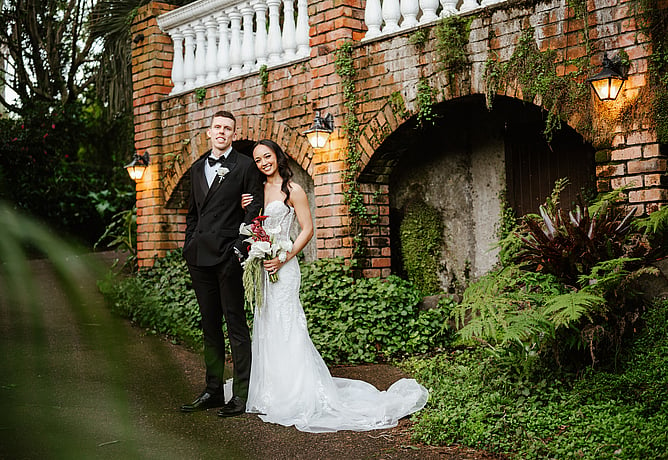
Countryside venues, in particular, are often chosen for this reason, as they tend to offer a sense of space and simplicity that contrasts with the intensity of planning itself. In settings like Settlers Country Manor in Auckland, for example, couples often describe the experience as feeling more grounded, with the environment contributing to a calmer overall tone throughout the planning journey and the wedding day itself.
Final thoughts
A wedding is ultimately a single day, but the experience of it is shaped over a much longer period of time. The months leading up to it influence not only how the day feels but also how present couples are able to be within it. Pre-wedding wellness is not about adding more pressure or following a strict approach to self-improvement. It is about creating enough space within a busy time of life to remain connected to yourself and to your partner.
When that balance is present, the wedding day tends to feel less like something being managed and more like something being experienced. And for most couples, that is what stays with them long after the details have faded.